Framework
The MASI Framework
A structural diagnostic model for understanding conflict and instability in resource-endowed regions
Visit dedicated framework site →Overview
The MASI Framework is a rigorous structural diagnostic model developed by Dr. Joshua Gogo. It provides a comprehensive lens for understanding why resource-rich regions frequently encounter persistent conflict, structural exclusion, and underdevelopment despite their vast natural wealth.
By moving beyond symptomatic observations, the framework identifies the underlying structural dimensions that determine a system's capacity to manage internal and external pressures without descending into instability.
The Four Dimensions of MASI
MASI is an acronym representing four critical structural pillars that define the relationship between resource extraction, governance, and societal stability:
M — Mobility
This dimension assesses the degree to which individuals and communities possess the freedom to access opportunities, escape structural constraints, and move across economic or social boundaries. High mobility acts as a pressure-release valve; low mobility traps tension within the system.
A — Access to Voice
This measures the extent to which stakeholders and local communities have meaningful participation in the decision-making processes that affect their lives, environments, and resources. Stability is strengthened when communities have a legitimate "voice" rather than being forced toward "exit" or "loyalty" through coercion.
S — Spatial Burden
This dimension evaluates the geographic, infrastructural, and environmental costs disproportionately borne by resource-producing regions. It examines the "ruin" that often accompanies the "resource"—the localized negative externalities that create profound grievances and structural imbalances.
I — (Welfare) Gap
The "I" represents the measurable disparity (the Gap) between the immense wealth generated by a region's resources and the actual welfare outcomes experienced by its population. A wide gap signals a failure of allocation and a primary driver of systemic pressure.
Strategic Purpose
The MASI Framework serves as a sophisticated diagnostic instrument for:
- Policy Analysis: Assessing the structural risk of instability in resource-dependent economies.
- Conflict Resolution: Identifying the specific structural drivers of grievance to move beyond superficial peace-building.
- Corporate Strategy: Assisting boards in extractive industries to understand and mitigate social license risks through structural engagement.
- Institutional Reform: Designing targeted interventions that address the root causes of exclusion and inefficiency.
Global Applications
The framework has been successfully applied to analyze diverse and complex contexts globally, including the Niger Delta, Basra, Northern Alberta, and Sudan. Its cross-contextual reliability demonstrates its power as a general theory of political economy and institutional stability.
Resources & Further Reading
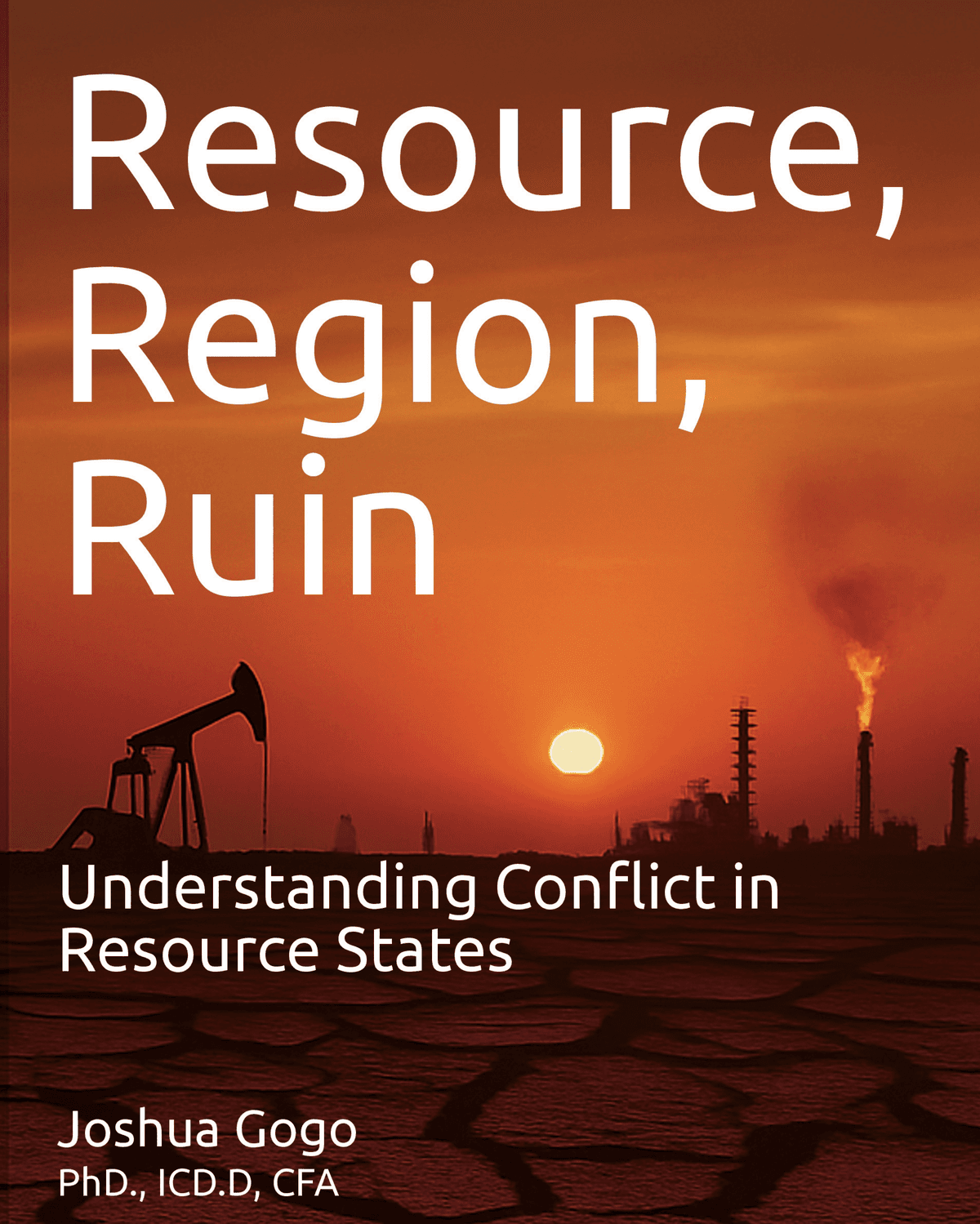
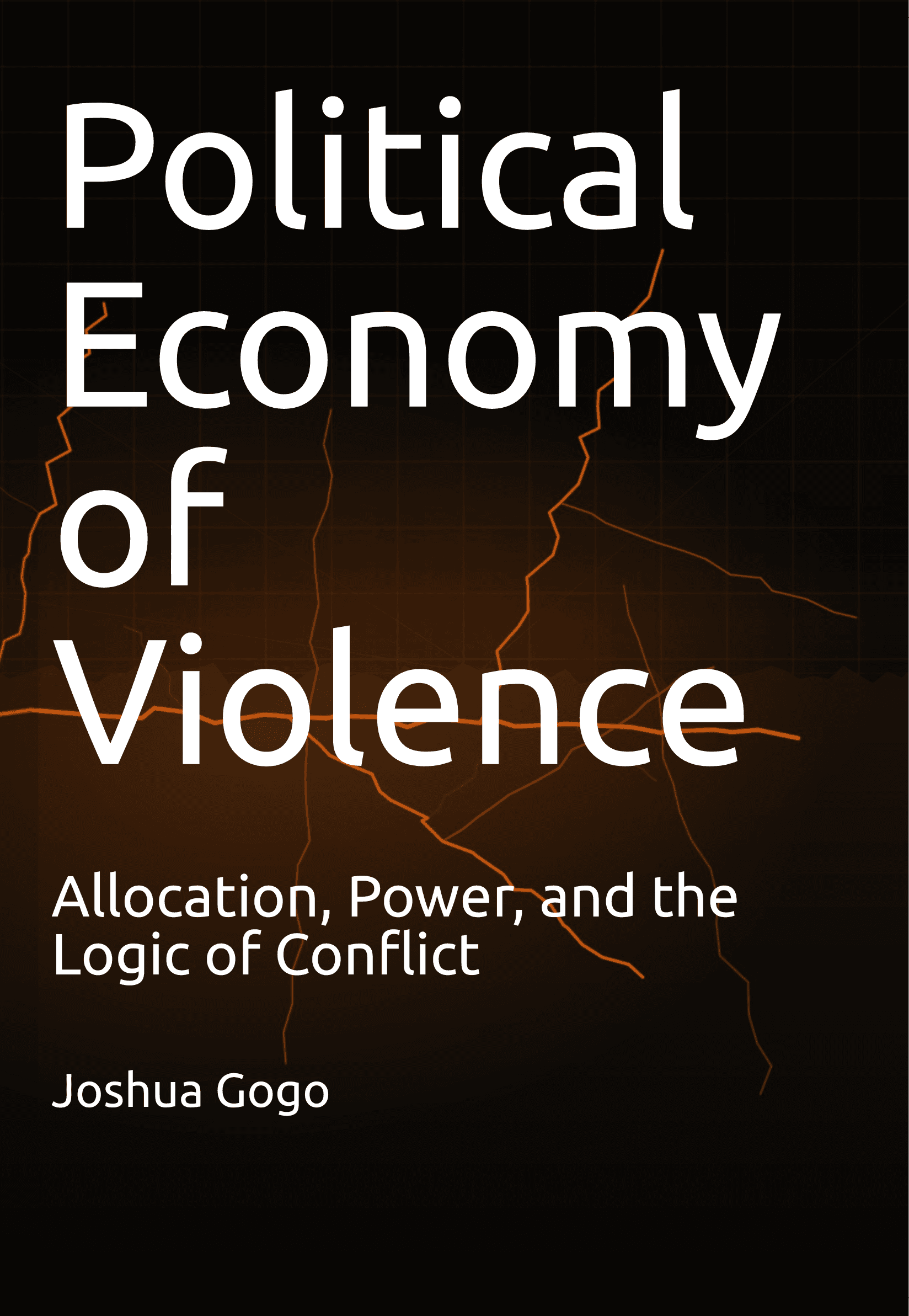
The theoretical foundations and practical applications of the MASI Framework are explored in depth in Dr. Gogo's primary works:
For more technical documentation and research papers, visit the dedicated framework website: masiframework.org